

Proctology Clinic Dubai: Advanced Care for Anorectal Conditions
Anorectal conditions, while incredibly common, are often surrounded by stigma and embarrassment. Many patients in Dubai delay seeking medical help for symptoms like rectal bleeding, anal pain, or itching, hoping the issue will resolve on its own. However, conditions such as hemorrhoids, anal fissures, and fistulas can significantly impact your daily comfort and quality of life if left untreated. Let’s review when to see a proctologist!
At our dedicated Proctology Clinic, led by Dr. Tugan Tezcaner at Al Tadawi Hospital, we provide a private, compassionate, and highly professional environment for the diagnosis and treatment of all benign anorectal diseases. Our focus is on delivering accurate diagnoses and offering the most advanced, minimally invasive treatments available, ensuring a swift and comfortable recovery.
What is Proctology?
Proctology, often considered a sub-specialty of colorectal surgery, is the medical field focused on the diagnosis and treatment of disorders affecting the rectum, anus, and pelvic floor. A proctologist or colorectal surgeon is specially trained to manage conditions ranging from minor discomforts to complex surgical cases in the lower digestive tract.
In Dubai’s diverse and fast-paced environment, lifestyle factors such as sedentary office jobs, dietary habits, and chronic stress contribute to a high prevalence of anorectal issues. So seeking care from a specialized proctologist ensures that you receive targeted therapies rather than generic advice.
Common Proctology Conditions We Treat
Our clinic offers comprehensive care for a wide spectrum of anorectal disorders. We utilize modern diagnostic tools to accurately identify the root cause of your symptoms and tailor a treatment plan to your specific needs.
Hemorrhoids (Piles)
Hemorrhoids are swollen, inflamed veins in the lower rectum and anus. They are among the most common reasons patients visit a proctologist. Symptoms include painless bleeding during bowel movements, itching, swelling, and discomfort.
We offer a range of treatments depending on the severity of the condition, from dietary management and rubber band ligation to advanced, minimally invasive laser hemorrhoidoplasty. For a detailed guide to managing this condition, visit our Hemorrhoids Assessment, Treatment, and Recovery page.
Anal Fissures
An anal fissure is a small tear in the delicate lining of the anal canal, often caused by passing hard stools. It is characterized by sharp, severe pain during bowel movements and bright red blood on toilet tissue.
While many fissures heal with conservative treatments like high-fiber diets and topical ointments, chronic fissures may require surgical intervention, such as a lateral internal sphincterotomy, to relax the muscle and allow healing. Learn more about our approach on the Anal Fissure Treatment And Recovery page.
Anal Fistula and Perianal Abscess
A perianal abscess is a painful collection of pus near the anus, usually resulting from an infected anal gland. If the abscess drains, it can create a tunnel connecting the infected gland inside the anus to the skin outside, known as an anal fistula.
Fistulas rarely heal without surgery. We specialize in fistulotomy and sphincter-saving techniques (like LIFT or VAAFT) to treat the tract while preserving bowel continence. Detailed information is available on our Perianal Fistula Treatment And Healing and Perianal Abscess Drainage And Aftercare pages.
Pilonidal Sinus
A pilonidal sinus is a small cyst or tunnel in the skin, typically at the top of the cleft of the buttocks, which often contains hair and skin debris. It can become infected, causing significant pain and swelling. In addition to acute management, we offer both traditional excision and modern, minimally invasive laser treatments (EPSiT) for faster recovery. Read more on our Pilonidal Sinus Treatment And Aftercare page.
Anal Warts
Additionally, we offer a discrete diagnosis and removal of anal warts. Surgical intervention is often the most reliable way to manage anal warts (Condyloma acuminata). General Surgeon Dr. Tugan Tezcaner uses advanced laser technology to achieve better outcomes and faster recovery. Explore our Anal Warts Diagnosis And Treatment pages.
Anal Itching (Pruritus Ani)
Persistent anal itching can be caused by various factors, including diet, hygiene practices, dermatological conditions, or underlying issues like hemorrhoids. We provide thorough assessments to identify the trigger. Explore our Anal Warts Diagnosis And Treatment pages.
Our Approach: Minimally Invasive and Patient-Centered
The thought of anorectal surgery can be daunting. However, the field of proctology has advanced significantly. Whenever clinically appropriate, Dr. Tezcaner prioritizes minimally invasive techniques, such as laser therapies and day-surgery procedures.
These modern approaches offer several advantages over traditional open surgeries:
Reduced Pain: Smaller or no incisions mean significantly less postoperative discomfort.
Faster Recovery: Patients can often return home the same day and resume normal activities much sooner.
Lower Risk of Complications: Advanced techniques minimize trauma to surrounding tissues, protecting vital functions like continence.
When Should You See a Proctologist?
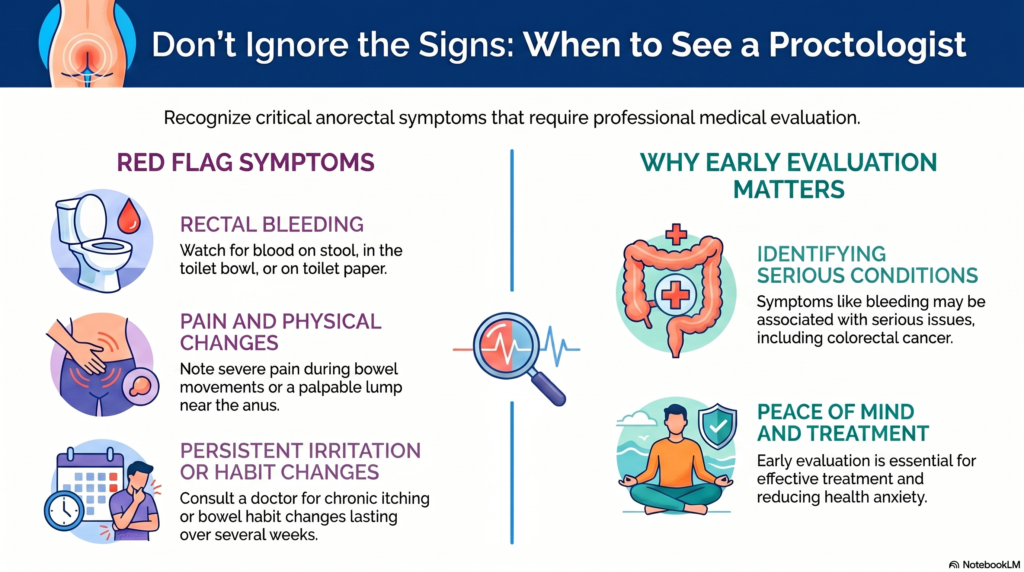
Do not ignore symptoms in the anorectal area. You should schedule a consultation if you experience:
•Persistent rectal bleeding (blood on the stool, in the toilet bowl, or on toilet paper).
•Severe or lingering pain during or after bowel movements.
•A palpable lump or swelling near the anus.
•Chronic anal itching or irritation.
•Changes in your bowel habits that last more than a few weeks.
Remember, symptoms like bleeding can also be associated with more serious conditions, including colorectal cancer. Early evaluation is essential for peace of mind and effective treatment.
Schedule Your Confidential Consultation
At Dr. Tugan Tezcaner’s clinic, we understand the sensitive nature of proctology conditions. We are committed to providing a respectful, confidential, and highly effective care experience.
Take the first step toward lasting relief. Book a visit today to discuss your symptoms and explore your treatment options.
References
[1] WebMD. “Proctologists: Understanding Conditions They Treat.”