
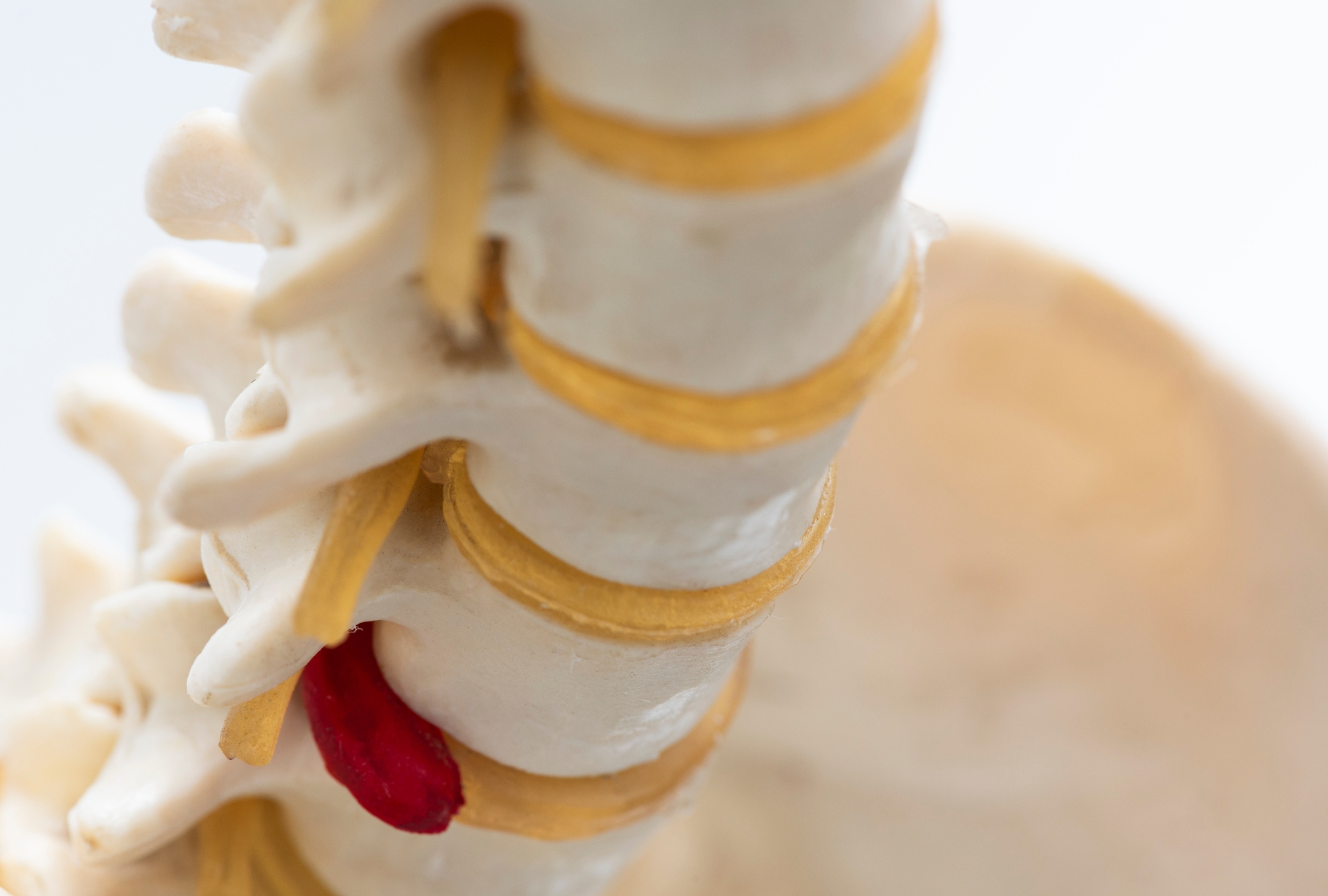
Hernia is a medical condition that occurs when an internal organ or tissue protrudes through a weak spot in the muscle or surrounding tissue wall. This condition can be painful and, if left untreated, may lead to severe complications. This blog post will explore hernia in detail, focusing on its types, causes, symptoms, diagnosis, and treatment options.
Hernia Definition
A hernia typically forms in the abdominal wall, although it can occur in other parts of the body as well. The most common types of hernias include inguinal hernia (located in the groin), umbilical hernia (around the belly button), hiatal hernia (upper stomach area), and incisional hernia (at the site of a previous surgical incision). The main characteristic of a hernia is the bulging of an organ or tissue, which can often be seen or felt as a lump.
Causes of Hernia
Understanding the causes of hernia is crucial for prevention and management. Hernias can result from a combination of muscle weakness and strain. Factors that may contribute to the development of a hernia include:
Heavy Lifting:
Repeatedly lifting heavy objects without proper technique can increase the risk of developing a hernia.
Chronic Cough:
Persistent coughing can create pressure on the abdominal wall, leading to hernia formation.
Obesity:
Excess body weight can strain abdominal muscles, making them more susceptible to hernias. The added weight and pressure during pregnancy can cause or exacerbate hernias.
Previous Surgery:
Surgical scars can weaken the surrounding muscles, increasing the risk of hernia at the incision site.
Symptoms of Hernia
Recognizing the symptoms of hernia early can help in seeking timely medical intervention. Common symptoms include:
Diagnosis of Hernia
Visible Bulge: A noticeable bulge in the abdomen or groin is the most apparent symptom of a hernia.
Pain or Discomfort: Hernias can cause pain, especially when bending over, coughing, or lifting heavy objects.
Feeling of Heaviness: A dragging sensation or feeling of heaviness in the abdomen can indicate a hernia.
Nausea and Vomiting: In severe cases, hernias can lead to nausea, vomiting, and difficulty with bowel movements.
If you suspect you have a hernia, it is essential to consult a healthcare professional for an accurate diagnosis.
The diagnostic process may involve:
Physical Examination: A doctor will typically start with a physical examination to check for visible signs of a hernia.
Imaging Tests: Ultrasound, CT scans, or MRI may be used to get a clearer view of the hernia and its extent.
Medical History: Providing a detailed medical history can help in identifying potential risk factors and confirming the diagnosis.
Treatment Options for Hernia
Treatment for hernia depends on the severity of the condition and the type of hernia. Options include:
Surgery: Surgical intervention is often necessary to repair the hernia. The two main types of hernia surgery are open surgery and laparoscopic surgery. Both methods aim to push the protruding tissue back into place and reinforce the weakened area.
Watchful Waiting: A doctor may recommend monitoring it closely in cases where the hernia is small and not causing symptoms.
Lifestyle Changes: Adopting a healthier lifestyle, such as losing weight and avoiding heavy lifting, can help manage hernia symptoms.
Hernia Truss: A hernia truss is a supportive undergarment that can help reduce discomfort by holding the hernia in place.
Conclusion
Hernia is a common condition that can significantly impact quality of life. Individuals can make informed decisions about their health by understanding what hernia is, recognizing its causes and symptoms, and exploring the available treatment options. Early diagnosis and appropriate management are key to preventing complications and ensuring a successful recovery. If you suspect you have a hernia, seek medical advice promptly to determine the best course of action.